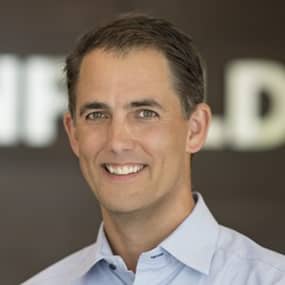
A Picture is Worth More Than 1000 Words: How Advanced Imaging Is Improving Plastic Surgery and Aesthetic Medicine w/ Doug Canfield


In aesthetic medicine, photography is central to the consultation, treatment planning, execution of the treatment, and the assessment of the results. Photography expert Doug Canfield, founder of Canfield Scientific, returns to the podcast to talk with Dr. Bass about the latest advances in clinical photography including how artificial intelligence is aiding imaging and diagnosis.
Without photographic documentation, plastic surgeons aren't able to prove their abilities to prospective patients, current patients aren't able to have confidence in the procedure they had, and prospective patients aren't able to use past patient results as examples of their goals.
Real advancements in imaging software allow practices to take consistent, high quality before and after pictures and today, there are both 2D and 3D simulations which realistically show patients what is possible and appropriate.
When you use these technologies to show patients how their appearance can change with various interventions, plastic surgeons and patients can both walk into surgery with the exact same mental picture of the end result.
About Doug Canfield
Doug Canfield is the president of New Jersey based company Canfield Scientific, which provides imaging systems, services, and products for the healthcare industry, with an emphasis on aesthetics and dermatology.
Learn more about Canfield Scientific
About Dr. Lawrence Bass
Innovator. Industry veteran. In-demand Park Avenue board certified plastic surgeon, Dr. Lawrence Bass is a true master of his craft, not only in the OR but as an industry pioneer in the development and evaluation of new aesthetic technologies. With locations in both Manhattan (on Park Avenue between 62nd and 63rd Streets) and in Great Neck, Long Island, Dr. Bass has earned his reputation as the plastic surgeon for the most discerning patients in NYC and beyond.
To learn more, visit the Bass Plastic Surgery website or follow the team on Instagram @drbassnyc
Subscribe to the Park Avenue Plastic Surgery Class newsletter to be notified of new episodes & receive exclusive invitations, offers, and information from Dr. Bass.
00:00:00,450 --> 00:00:04,440
Welcome to another episode of
Park Avenue Plastic Surgery Class,
2
00:00:04,460 --> 00:00:08,200
the podcast where we explore controversies
and breaking issues in plastic
3
00:00:08,201 --> 00:00:10,760
surgery. I'm your co-host, Doreen Wu.
4
00:00:10,860 --> 00:00:15,080
I'm excited to be here with Dr. Lawrence
Bass, Park Avenue plastic surgeon,
5
00:00:15,720 --> 00:00:19,600
educator, and technology innovator, as
well as our special guest, Doug Canfield,
6
00:00:19,880 --> 00:00:23,000
president of Canfield Scientific
in Parsiphony, New Jersey.
7
00:00:23,300 --> 00:00:28,120
The title of today's episode is A Picture
is Worth More Than a Thousand Words:
8
00:00:28,120 --> 00:00:31,560
How Advanced Imaging Is Improving
Plastic Surgery and Aesthetic Medicine.
9
00:00:32,810 --> 00:00:36,440
We often start our episodes with
a little history. So, Dr. Bass,
10
00:00:36,441 --> 00:00:39,000
what has the role of photography
been in plastic surgery?
11
00:00:41,320 --> 00:00:45,920
Photography is really central
to documentation in plastic
12
00:00:46,480 --> 00:00:48,120
surgery, and it always has been.
13
00:00:48,250 --> 00:00:51,480
So this is very much like
an orthopedic surgeon.
14
00:00:52,180 --> 00:00:56,520
The only way they can really map
what they've accomplished is by using
15
00:00:56,630 --> 00:01:01,280
x-rays to see what happened to the
bone before and after procedure,
16
00:01:01,810 --> 00:01:06,440
because what we do in plastic surgery
is visible on the surface of the body.
17
00:01:07,340 --> 00:01:12,240
Photographic images of the
patient before and after
18
00:01:12,310 --> 00:01:16,160
procedures is again central
to that documentation.
19
00:01:16,460 --> 00:01:18,400
And it's so central that in fact,
20
00:01:18,401 --> 00:01:22,520
the first episode of
this podcast discussed
21
00:01:22,830 --> 00:01:27,720
before and after images and
photography standardization.
22
00:01:29,350 --> 00:01:31,360
That being said
23
00:01:33,830 --> 00:01:35,660
without that documentation,
24
00:01:36,270 --> 00:01:41,260
we really have trouble assessing results
because we can't really remember what
25
00:01:41,261 --> 00:01:45,300
it looked like before.
We think we remember,
26
00:01:45,360 --> 00:01:46,300
but we don't,
27
00:01:46,301 --> 00:01:51,300
our image of what we look like is
probably fixed how we looked in our late
28
00:01:51,301 --> 00:01:55,940
twenties. And so we don't realize
what that feature was like.
29
00:01:55,941 --> 00:02:00,140
And once you go and do a procedure,
spend money go through recovery,
30
00:02:00,690 --> 00:02:05,060
then you start looking at everything
very carefully and you start picking out
31
00:02:05,061 --> 00:02:09,500
features that were present before, but
you didn't even realize were there.
32
00:02:09,501 --> 00:02:14,500
And so the only way to be real
about what's happening is to have
33
00:02:14,690 --> 00:02:18,580
really good quality
imaging before and after.
34
00:02:19,220 --> 00:02:21,340
Where has photography gone from there?
35
00:02:22,130 --> 00:02:25,980
Well, you know, when I first
started working in plastic surgery,
36
00:02:25,981 --> 00:02:28,820
which is round about 30 years ago,
37
00:02:29,170 --> 00:02:31,300
that was done with film.
38
00:02:31,310 --> 00:02:35,980
So we walked around with our camera
bag and some rolls of film and
39
00:02:36,450 --> 00:02:41,020
everything was taken on film. Now, of
course, photography is all digital,
40
00:02:42,210 --> 00:02:44,590
and that changed a lot of things.
41
00:02:45,850 --> 00:02:49,350
But images are digitally
obtained and stored.
42
00:02:50,000 --> 00:02:54,990
They're presented on computer screens
rather than printed out in paper
43
00:02:55,170 --> 00:02:56,070
photographs.
44
00:02:57,330 --> 00:03:01,950
And there's now three-dimensional
45
00:03:01,951 --> 00:03:06,510
photography and there's simulation of
46
00:03:06,511 --> 00:03:09,310
two-dimensional images and
three-dimensional images.
47
00:03:09,311 --> 00:03:13,630
And so this is a lot like
Photoshop except much more
48
00:03:13,650 --> 00:03:18,230
sophisticated and specifically
designed and validated for
49
00:03:18,710 --> 00:03:22,750
medical use. And for that reason,
50
00:03:22,790 --> 00:03:24,870
we've brought Doug Canfield,
51
00:03:24,990 --> 00:03:29,710
who's the president of Canfield
Scientific to speak with us today
52
00:03:29,711 --> 00:03:34,550
because Canfield Scientific is
the leading company and really the
53
00:03:34,551 --> 00:03:39,470
pioneer in digital photography
for plastic surgery.
54
00:03:39,770 --> 00:03:43,030
And now host of advanced
55
00:03:43,070 --> 00:03:48,070
solutions that we're going to discuss
in a little more detail for the
56
00:03:48,071 --> 00:03:49,590
remainder of this episode.
57
00:03:50,570 --> 00:03:55,130
Going back to Dr. Bass's answer, we're
gonna take these one at a time. So Doug,
58
00:03:55,131 --> 00:03:57,450
what are some of the
advances in 2D photography?
59
00:03:58,140 --> 00:03:59,890
So, thanks, Doreen. You know,
60
00:03:59,891 --> 00:04:04,410
I think cameras digital cameras and
lighting systems continue to improve,
61
00:04:04,990 --> 00:04:09,290
but the real advances have been
in the software and those advances
62
00:04:09,640 --> 00:04:14,570
have allowed the clinical
practices to take more
63
00:04:14,770 --> 00:04:17,690
standardized, higher quality
before and after pictures,
64
00:04:17,691 --> 00:04:20,610
so that you really do have confidence in,
65
00:04:20,611 --> 00:04:25,250
in looking at your before and after
photos and knowing that it's real change,
66
00:04:25,280 --> 00:04:30,050
true clinical change, and not
some photographic artifact.
67
00:04:31,220 --> 00:04:35,120
And what about 3D photography? How is
that different from 2D photography?
68
00:04:35,150 --> 00:04:37,440
What does it show that 2D photos cannot?
69
00:04:38,460 --> 00:04:38,980
Yeah,
70
00:04:38,980 --> 00:04:43,860
so stereo photogrammetry is
actually a series of 2D views that
71
00:04:44,260 --> 00:04:48,980
are put together by an algorithm
with lots of math and with these
72
00:04:49,620 --> 00:04:52,980
calibrated images to build
a very accurate 3D model.
73
00:04:53,340 --> 00:04:57,140
And if you think about a 3D avatar
of yourself that's very accurate,
74
00:04:57,540 --> 00:05:01,940
it allows for measurements to
be made and allows for alignment
75
00:05:03,220 --> 00:05:07,340
between both pre-procedure and
post-procedure to be matched.
76
00:05:07,580 --> 00:05:10,700
So you're really looking at
the actual changes over time,
77
00:05:11,060 --> 00:05:14,660
and you can make area measurements
and volumetric analysis.
78
00:05:14,980 --> 00:05:19,580
You can even do dynamic capture and look
at things like skin stretch and skin
79
00:05:20,220 --> 00:05:24,940
elasticity. So lots of opportunity
for making objective measurements in
80
00:05:25,860 --> 00:05:28,940
addition to the qualitative views
that you get with 2D images.
81
00:05:30,260 --> 00:05:34,540
You know, this has always been the
challenge in aesthetic plastic surgery.
82
00:05:34,650 --> 00:05:39,140
A lot of what we look at is
objective in terms of beauty and
83
00:05:39,700 --> 00:05:44,460
appearance, and the ability to create
an objective measurement of change
84
00:05:45,340 --> 00:05:47,380
is really meaningful and really helpful.
85
00:05:48,130 --> 00:05:53,000
Exactly. And how has this changed
the experience for the patients?
86
00:05:53,730 --> 00:05:54,680
So, you know,
87
00:05:54,681 --> 00:05:58,910
I think first for patients to be
able to see their before and after
88
00:06:00,350 --> 00:06:00,350
pictures,
89
00:06:00,350 --> 00:06:05,190
it allows them to have confidence in
the treatment or procedure that's been
90
00:06:05,470 --> 00:06:06,303
done.
91
00:06:06,510 --> 00:06:11,470
But you can also think about using
that pre-treatment photograph as
92
00:06:11,471 --> 00:06:12,470
a communication tool.
93
00:06:13,150 --> 00:06:17,550
And instead of looking at before and after
pictures of a different patient and a
94
00:06:17,750 --> 00:06:18,583
different outcome,
95
00:06:18,870 --> 00:06:23,190
you can personalize it and think of it
as looking at your after before surgery.
96
00:06:24,030 --> 00:06:27,790
So this allows the clinician
to work with the image
97
00:06:29,110 --> 00:06:32,830
and communicate with their patient what
they believe is possible and appropriate
98
00:06:33,070 --> 00:06:37,110
for them. And this type
of computer simulation,
99
00:06:37,670 --> 00:06:39,230
both with 2D and 3D,
100
00:06:39,550 --> 00:06:43,150
has really advanced in
the recent years to be
101
00:06:44,790 --> 00:06:48,950
very realistic and appropriate for the
types of procedures that are being done.
102
00:06:50,120 --> 00:06:52,750
Dr. Bass, what does all this
mean for the plastic surgeon?
103
00:06:53,490 --> 00:06:53,981
Well,
104
00:06:53,981 --> 00:06:58,860
it gives us an extremely
powerful tool to show the
105
00:06:58,861 --> 00:07:03,740
patient clearly things we would
have to explain in words or
106
00:07:03,741 --> 00:07:05,340
sometimes in diagrams.
107
00:07:05,920 --> 00:07:10,620
And this is critical both to
precision diagnosis and also to
108
00:07:10,621 --> 00:07:11,580
treatment planning.
109
00:07:13,300 --> 00:07:16,780
We can show the findings and
features that we're seeing on exam,
110
00:07:17,580 --> 00:07:21,940
and we always see some additional
things in the images that we don't
111
00:07:23,260 --> 00:07:27,060
see when we look right at
the patient in the exam room.
112
00:07:27,380 --> 00:07:30,740
We can simulate how the appearance
would likely change with various
113
00:07:31,700 --> 00:07:36,460
interventions so the patient can
gauge the importance to them and their
114
00:07:37,100 --> 00:07:38,500
individual aesthetic goals.
115
00:07:40,730 --> 00:07:45,310
And that's an important thing
because often a patient will
116
00:07:45,311 --> 00:07:49,990
explain what they want and they
have one mental image in their
117
00:07:49,991 --> 00:07:52,470
mind, and I have a different mental image,
118
00:07:53,010 --> 00:07:56,470
and that's not going to work well at
getting them the result they want.
119
00:07:56,471 --> 00:08:01,190
But if we're both looking at the
same simulation and they say, "yeah,
120
00:08:01,630 --> 00:08:04,910
that's a good size for me
with breast augmentation," or
121
00:08:06,910 --> 00:08:11,710
"that's the amount of reduction on the
bump on my nose that I want or the amount
122
00:08:11,910 --> 00:08:13,950
of upturning of my nose that I
123
00:08:15,750 --> 00:08:19,470
want." I walk in the operating room with
the exact same picture in my head as
124
00:08:19,670 --> 00:08:22,870
the patient has, we're more likely to get
125
00:08:24,630 --> 00:08:29,310
precisely to the result that the patient
is hoping for than if I walk in with
126
00:08:29,590 --> 00:08:34,030
one mental image and they have something
different. In addition to that,
127
00:08:34,480 --> 00:08:35,750
as Doug mentioned,
128
00:08:35,751 --> 00:08:40,590
we can show changes in before and
after images with these advanced
129
00:08:41,150 --> 00:08:45,990
analysis tools that can show
contour changes like volume loss
130
00:08:45,991 --> 00:08:50,830
after liposuction or breast
reduction or volume medician
131
00:08:50,900 --> 00:08:55,600
like with a breast augmentation
or when we do fat grafting or
132
00:08:55,601 --> 00:08:56,600
filler injections.
133
00:08:57,300 --> 00:09:02,240
And these systems can map
out exactly where and to
134
00:09:02,241 --> 00:09:06,920
what degree the surface contour
has been changed, which is really,
135
00:09:06,921 --> 00:09:11,760
really elegant and really evocative
for patients to understand
136
00:09:11,761 --> 00:09:12,594
what's going on.
137
00:09:13,040 --> 00:09:17,560
There are other tools that can
look at skin smoothness or color
138
00:09:17,710 --> 00:09:21,760
evenness, things like that
that can be analyzed as well.
139
00:09:22,660 --> 00:09:25,720
And a final thing for me is,
140
00:09:26,830 --> 00:09:30,170
and I thought it was interesting
the way Doug described it,
141
00:09:30,171 --> 00:09:34,290
that a 3D image is really
a series of 2D images that,
142
00:09:34,650 --> 00:09:35,850
that are being combined.
143
00:09:36,310 --> 00:09:41,290
But if I just have my six or
eight standard 2D images that I
144
00:09:41,291 --> 00:09:42,890
take into the operating room,
145
00:09:43,000 --> 00:09:47,890
like in the old days when they
were actually prints that's
146
00:09:47,891 --> 00:09:48,251
different.
147
00:09:48,251 --> 00:09:53,210
I can take the 3D image and
rotate it on the video screen in
148
00:09:53,211 --> 00:09:54,290
the operating room,
149
00:09:54,350 --> 00:09:59,130
and see any aspect of the
patient appearance that might
150
00:09:59,131 --> 00:10:02,130
come up during the
course of the procedure.
151
00:10:02,510 --> 00:10:07,290
And that's far superior to what we
got with just a few static images
152
00:10:07,291 --> 00:10:08,450
like in the old days.
153
00:10:09,310 --> 00:10:13,050
Are there any other ways advanced
imaging is helping the plastic surgeon?
154
00:10:14,140 --> 00:10:16,790
Well, you know, I love to do research,
155
00:10:16,930 --> 00:10:21,190
and photographic research
tools help study,
156
00:10:21,910 --> 00:10:25,270
evaluate, and improve new
treatments and procedures.
157
00:10:26,180 --> 00:10:27,110
Tell me, Doug,
158
00:10:27,111 --> 00:10:30,990
what role does Canfield Scientific
play in performing research in plastic
159
00:10:30,991 --> 00:10:33,750
surgery, dermatology, anesthetic medicine?
160
00:10:34,030 --> 00:10:36,550
Thank you, Doreen.
161
00:10:36,550 --> 00:10:39,070
Canfield provides
photographic documentation
162
00:10:39,220 --> 00:10:44,150
services to companies that
are studying new products
163
00:10:44,151 --> 00:10:47,350
and devices for approval
with the FDA. And in fact,
164
00:10:47,351 --> 00:10:52,150
I started the company
offering standardized
photographic documentation for
165
00:10:52,151 --> 00:10:52,871
facial imaging,
166
00:10:52,871 --> 00:10:57,870
and it was looking at topical
retinoids for sun damage
167
00:10:57,930 --> 00:11:01,830
and think about products like
retin-A today that were approved.
168
00:11:02,060 --> 00:11:06,270
They were approved partially
based on high quality
169
00:11:06,790 --> 00:11:10,710
registered standardized before and after
pictures. And today that's evolved.
170
00:11:11,170 --> 00:11:12,950
And in the aesthetic space,
171
00:11:13,000 --> 00:11:17,710
we not only work in skin
rejuvenation and making claims
172
00:11:17,711 --> 00:11:22,710
there, but also injectables like
toxins and fillers body contouring
173
00:11:22,711 --> 00:11:27,470
procedures and injectables for body
contouring injectables for cellulite.
174
00:11:28,250 --> 00:11:32,950
All of these things can be
documented in a very reliable,
175
00:11:32,951 --> 00:11:34,910
consistent way with 2D images.
176
00:11:35,550 --> 00:11:39,070
And some of them are really
appropriate for 3D imaging as well.
177
00:11:39,071 --> 00:11:41,390
So we can look at durability of volume,
178
00:11:41,391 --> 00:11:45,230
let's say in a mid-face volume study.
179
00:11:45,680 --> 00:11:49,390
So we can know how long will
that volume last in a phase.
180
00:11:49,450 --> 00:11:53,400
And by having a calibrated 3D image,
181
00:11:53,401 --> 00:11:56,600
we can actually see you know, the,
182
00:11:56,601 --> 00:11:58,480
the durability of the product.
183
00:11:58,610 --> 00:12:02,280
So it really gives us a
much better understanding
184
00:12:03,530 --> 00:12:08,080
in reviewing some of the
efficacy of these different
185
00:12:08,081 --> 00:12:09,280
products and treatments.
186
00:12:10,500 --> 00:12:15,320
And I think this is critical,
both for, of course,
187
00:12:15,321 --> 00:12:18,560
regulatory approval, which we
need to have the product at all,
188
00:12:18,561 --> 00:12:23,160
but also for the clinicians
to understand objectively
189
00:12:23,930 --> 00:12:26,360
in a quantitative data driven way,
190
00:12:26,920 --> 00:12:31,240
what nowadays we call
evidence-based medicine what the
191
00:12:31,241 --> 00:12:34,720
performance of these different
treatments and products are.
192
00:12:35,500 --> 00:12:40,080
And that helps us relate
that same information to our
193
00:12:40,081 --> 00:12:42,600
patients. So Doug,
194
00:12:42,770 --> 00:12:46,440
we always like to talk about
the future and what's coming.
195
00:12:47,440 --> 00:12:51,480
Of course none of us have a
crystal ball and can guarantee,
196
00:12:51,980 --> 00:12:55,840
but someone at the cutting edge of this
197
00:12:56,040 --> 00:13:00,480
field like yourself
probably has some notion of
198
00:13:00,920 --> 00:13:04,880
where things are really changing and
where we're going to see exciting new
199
00:13:04,881 --> 00:13:09,660
developments. So what do you
think the future of imaging is,
200
00:13:09,660 --> 00:13:11,460
let's say 10 years down the line?
201
00:13:12,110 --> 00:13:14,060
Already we're seeing, I think,
202
00:13:14,500 --> 00:13:17,500
evidence of how AI can help.
203
00:13:17,501 --> 00:13:20,220
So artificial intelligence
is around us everywhere,
204
00:13:20,221 --> 00:13:23,260
and it's certainly around us
with our digital images as well.
205
00:13:23,710 --> 00:13:27,620
So today we're introducing
first impression software,
206
00:13:27,621 --> 00:13:32,100
which allows a patient
or a surgeon to pick
207
00:13:32,280 --> 00:13:34,660
the trait that they want to most improve.
208
00:13:34,920 --> 00:13:39,820
And then using very
large annotated data sets
209
00:13:39,821 --> 00:13:44,540
of different faces,
being able to model that,
210
00:13:44,541 --> 00:13:46,500
how you can improve that first impression.
211
00:13:46,550 --> 00:13:51,500
So you want to look
less tired that may show
212
00:13:51,501 --> 00:13:56,140
that you need to add a little filler in
the Infraorbital Hollow below the eye or
213
00:13:56,220 --> 00:14:01,100
might skin resurfacing these
little procedures that can add
214
00:14:01,101 --> 00:14:05,300
up. And it's a very
powerful communication tool.
215
00:14:05,301 --> 00:14:07,420
So we're seeing AI in that space.
216
00:14:07,421 --> 00:14:11,140
We're seeing AI in the diagnostic
support space coming through.
217
00:14:11,470 --> 00:14:16,020
So we're actually going
to see clear devices
218
00:14:16,250 --> 00:14:20,980
that are used by clinicians
to make early diagnosis of
219
00:14:21,340 --> 00:14:26,340
things like skin cancer. And that's all
in the frontier and happening today.
220
00:14:26,560 --> 00:14:31,460
And I'm pretty sure in 10 years
time we're gonna see a lot
221
00:14:31,510 --> 00:14:36,420
of different methods approved
methods by the FDA of
222
00:14:36,421 --> 00:14:40,740
using imaging as a class two and maybe
even a class three medical device.
223
00:14:41,290 --> 00:14:45,500
That's really interesting. And I think
just so our listeners can understand,
224
00:14:45,501 --> 00:14:48,300
when you say a large annotated database,
225
00:14:48,301 --> 00:14:51,760
how many entries are you talking about?
226
00:14:51,761 --> 00:14:53,600
Just to give people a sense.
227
00:14:53,890 --> 00:14:58,080
Usually data scientists talk
in terms of tens of thousands.
228
00:14:58,980 --> 00:15:03,920
For many of our skin cancer
modeling databases we have
229
00:15:03,921 --> 00:15:07,880
over a hundred thousand annotated
images. Some have millions.
230
00:15:08,860 --> 00:15:12,040
And of course the quality of the
data sets are really important.
231
00:15:13,200 --> 00:15:14,440
And they are annotated.
232
00:15:14,450 --> 00:15:19,240
So somebody a human is actually
deciding what is in these
233
00:15:19,241 --> 00:15:23,520
images and teaching the computer
then how to interpret this data,
234
00:15:23,780 --> 00:15:27,000
and that's the part that just
keeps getting better and better.
235
00:15:27,250 --> 00:15:32,200
So this sounds like a tremendous
amount of hard work and
236
00:15:32,470 --> 00:15:36,600
a lot of lead time to get
these things to a usable
237
00:15:36,601 --> 00:15:41,320
state with a lot of very
smart people working on it.
238
00:15:41,870 --> 00:15:44,120
Absolutely. These aren't easy things,
239
00:15:44,121 --> 00:15:48,480
but I think they're going to be important
for the future of imaging and how it
240
00:15:48,481 --> 00:15:53,080
can bring value to both
patients and to surgeons and and
241
00:15:53,081 --> 00:15:53,914
practitioners.
242
00:15:54,230 --> 00:15:59,160
That is truly fascinating. And
lastly, before we wrap up the episode,
243
00:15:59,370 --> 00:16:01,960
Dr. Bass, do you have any
takeaways for our listeners?
244
00:16:02,570 --> 00:16:04,080
As we said at the beginning,
245
00:16:04,460 --> 00:16:09,120
photography has always been central
to assessing our results in plastic
246
00:16:09,121 --> 00:16:09,954
surgery.
247
00:16:10,380 --> 00:16:15,200
And these advanced imaging
technologies have just taken
248
00:16:15,201 --> 00:16:19,280
that to a whole other level and made the
249
00:16:19,540 --> 00:16:23,880
utilization of images, and after
all this is plastic surgery,
250
00:16:23,881 --> 00:16:27,760
how things look is what it's all about,
251
00:16:27,760 --> 00:16:30,720
so it's made it even more central to
252
00:16:31,100 --> 00:16:33,920
the consultation, to
the treatment planning,
253
00:16:33,970 --> 00:16:38,520
to the execution of the treatment
and the assessment of the results.
254
00:16:39,800 --> 00:16:40,950
So with that,
255
00:16:40,951 --> 00:16:45,750
I'll thank Doug for joining us from
Canfield Scientific and sharing
256
00:16:45,770 --> 00:16:50,310
his expertise on what's happening
in this field of advanced
257
00:16:50,311 --> 00:16:54,630
imaging in plastic surgery,
dermatology, and aesthetic medicine.
258
00:16:54,820 --> 00:16:59,190
It's really been a pleasure and I echo
259
00:16:59,191 --> 00:17:03,910
Doreen's comment that this area
is truly fascinating and exciting
260
00:17:03,930 --> 00:17:08,550
and we're looking forward to
all the new tools that your
261
00:17:08,551 --> 00:17:10,830
company is going to put into our hands.
262
00:17:11,560 --> 00:17:14,240
Thank you Dr. Bass. And thank you Doreen.
263
00:17:14,241 --> 00:17:18,520
This podcast has been a lot of fun and
it's been fun to reminisce about 35
264
00:17:18,521 --> 00:17:22,040
millimeter film and what
we're doing today with AI.
265
00:17:22,260 --> 00:17:26,760
And I do believe in the future
we will be able to use these
266
00:17:26,970 --> 00:17:29,760
trained data sets to be useful,
267
00:17:29,761 --> 00:17:34,720
clinically useful for both the patient
and the clinician to be able to provide
268
00:17:34,721 --> 00:17:37,800
and learn what is possible
with patient procedures.
269
00:17:38,450 --> 00:17:39,730
Thank you Doug, again,
270
00:17:39,731 --> 00:17:43,610
for taking the time to share your insight
and expertise with us and illuminating
271
00:17:43,611 --> 00:17:44,650
us with what's to come.
272
00:17:45,110 --> 00:17:48,370
And thank you to our listeners for joining
us today to hear about the important
273
00:17:48,371 --> 00:17:51,600
role photography and advanced
imaging in aesthetic medicine.
274
00:17:51,830 --> 00:17:55,200
I hope you found this episode as
fascinating and informative as I did.
275
00:17:55,770 --> 00:17:59,480
If you think of other exciting
developments or trends
in plastic surgery that
276
00:17:59,481 --> 00:18:01,720
you would like us to discuss
in upcoming episodes,
277
00:18:01,721 --> 00:18:04,840
please reach out by email or
Instagram. We'll see you next time.
278
00:18:05,680 --> 00:18:08,810
This is Doreen Wu thanking
you for joining Dr. Bass,
279
00:18:08,811 --> 00:18:11,130
Mr. Doug Canfield of Canfield Scientific,
280
00:18:11,131 --> 00:18:13,970
and me for this riveting
discussion of photography,
281
00:18:13,971 --> 00:18:15,890
advanced imaging and plastic surgery.
282
00:18:16,420 --> 00:18:20,050
Be sure to tune in next time and don't
forget to subscribe to our podcast to
283
00:18:20,051 --> 00:18:23,050
stay up to date with all of the exciting
content that is coming your way.
284
00:18:24,330 --> 00:18:28,690
Thank you for joining us in this episode
of the Park Avenue Plastic Surgery
285
00:18:28,691 --> 00:18:33,330
Class podcast with Dr. Lawrence
Bass, Park Avenue plastic surgeon,
286
00:18:34,130 --> 00:18:36,010
educator, and technology innovator.
287
00:18:36,150 --> 00:18:38,810
The commentary in this
podcast represents opinion.
288
00:18:38,811 --> 00:18:41,450
This podcast does not
present medical advice,
289
00:18:41,590 --> 00:18:45,730
but rather general information about
plastic surgery that does not necessarily
290
00:18:45,731 --> 00:18:48,730
relate to the specific conditions
of any individual patient.
291
00:18:49,260 --> 00:18:54,130
No doctor patient relationship
is established by listening
to or participating
292
00:18:54,131 --> 00:18:54,964
in this podcast.
293
00:18:55,180 --> 00:18:59,330
Consult your physician to advise you
about your individual healthcare.
294
00:18:59,460 --> 00:19:01,010
If you enjoyed this episode,
295
00:19:01,040 --> 00:19:05,250
please share it with your friends and
be sure to subscribe to our podcast on
296
00:19:05,251 --> 00:19:09,090
Apple Podcasts, Google, Spotify, Stitcher,
297
00:19:09,260 --> 00:19:11,850
or wherever you listen to podcasts.